The Tragedy of the Commons — and What It's Doing to Your Inbox
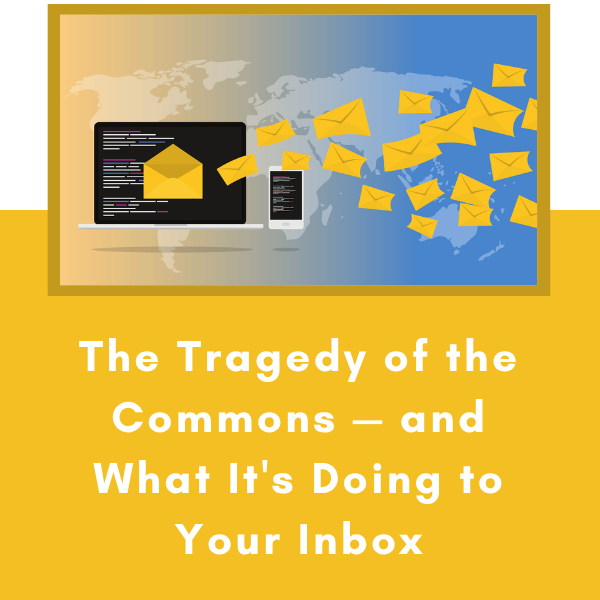
Economists have a name for a very old problem: the tragedy of the commons. It describes what happens when individuals, each acting rationally in their own interest, collectively destroy a resource they all depend on.
The classic illustration is a shared village pasture. Any one farmer adding an extra animal to graze makes perfect sense from their own vantage point — a little more milk, a little more wool, a little more income, at what looks like no real cost to them. But when every farmer reasons the same way, the pasture is overgrazed, the grass never recovers, and the resource that supported everyone collapses. No single farmer intended the damage. The damage happened anyway.
Email is the modern equivalent, and most of us are grazing without noticing. Every time someone copies in an extra person "just in case," fires off a reply that wasn’t needed, forwards something without clarification or explanation, or hits ‘Send’ before thinking about whether the message needed to be sent at all — a small cost gets transferred. Not to the sender. To someone else's inbox, someone else's attention, someone else's day.
Individually, each of these acts is harmless. A single unnecessary ‘CC’ costs the recipient perhaps ten seconds. A single ‘reply-all’ costs a room of colleagues only a moment each. But multiply that by every sender in an organisation, every day, and you get a collective catastrophe: inboxes so overgrazed that nothing in them gets the attention it deserves, including the messages that actually matter.
Here's what makes this version of the tragedy harder to see than the pasture. Overgrazed land is visible — you can walk out and look at the bare earth. Attention doesn't work that way. There's no scorched patch to point at when someone's focus has been fragmented by fifty messages they didn’t need to get. The depletion is invisible, which means it's easy to believe your own contribution doesn't count, and easier still to believe it isn't happening at all.
But it is. The shared resource being consumed isn't bandwidth or server space — it's other people's attention, capacity to think clearly, respond thoughtfully, and get their own work done. That resource is finite, just like the pasture. And just like the pasture, it doesn't recover on its own while everyone keeps adding one more animal.
This is why email habits can't be filed away as a private productivity quirk, something to sort out with a better filing system or a faster typing speed. Every message you send is a withdrawal from a resource other people also need. The question worth asking before you hit ‘Send’ isn't just "is this fast for me?" but "what am I costing someone else's attention by sending this?"
Once you treat inboxes like the shared commons they are, something shifts: the extra ‘CC’ gets dropped, the reply gets condensed to what's actually needed, the message that could wait, does. None of it looks dramatic in the moment. But multiplied across a team, an organisation, a ‘village’ of inboxes — that's exactly how the pasture gets saved.
Ready to Put the Structure in Place?
Register Your Interest in the ‘Triage Your Inbox’ Book
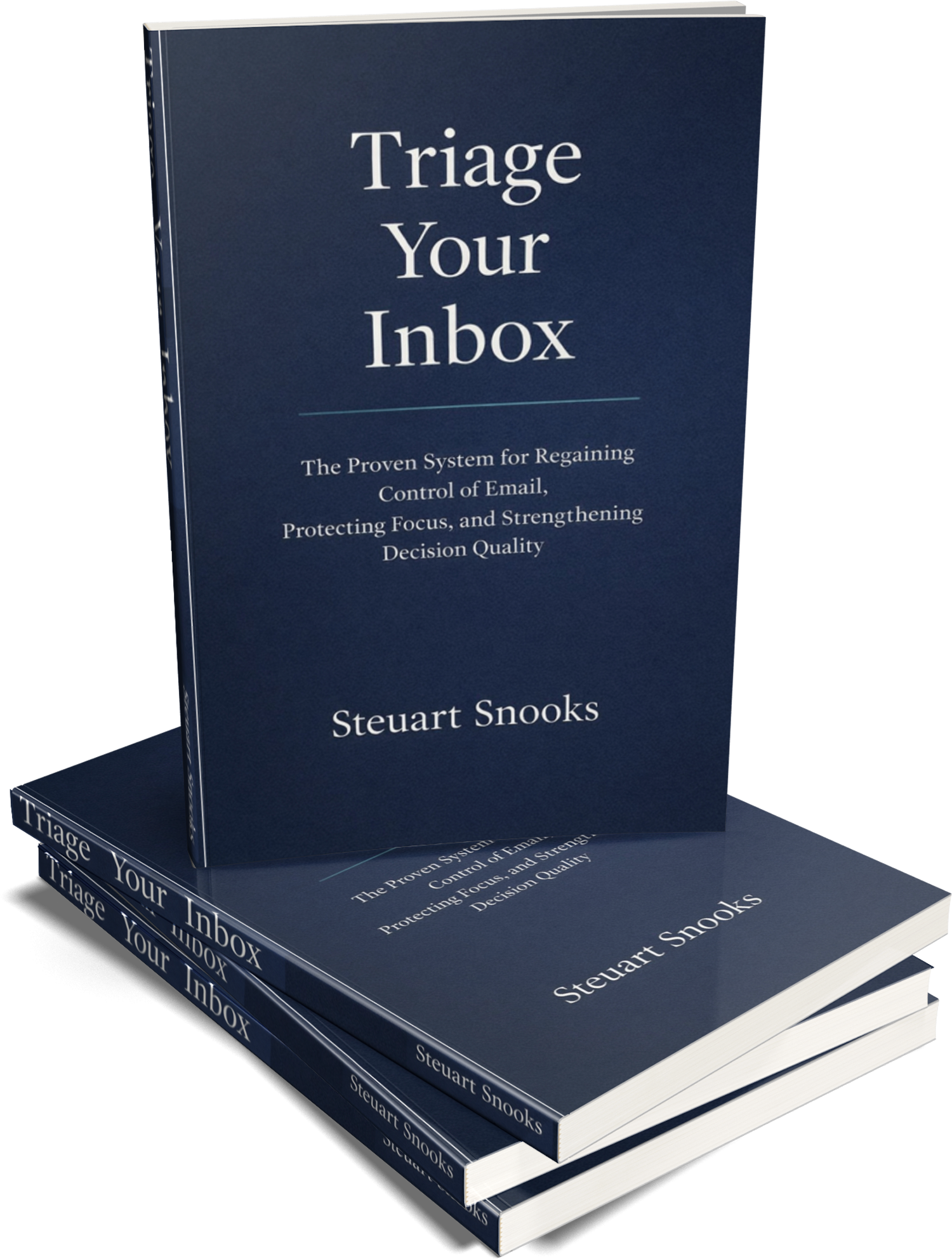
If you are interested in being one of the first to receive a copy of my new book ‘Triage Your Inbox’, please click below to register.

Learn More About Triage Your Inbox Programs
If you’ve recognised some of these challenges in the way you manage email, the next step is to put a structure in place that works.
Triage Your Inbox provides a practical framework for deciding when to process email, what to do with each message, and where to keep the commitments that matter.
Find out how you can move from simply managing your inbox to being genuinely in control of it.